
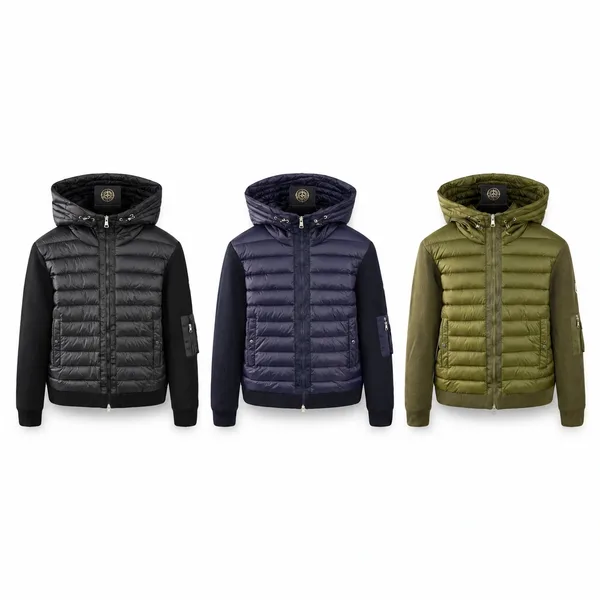
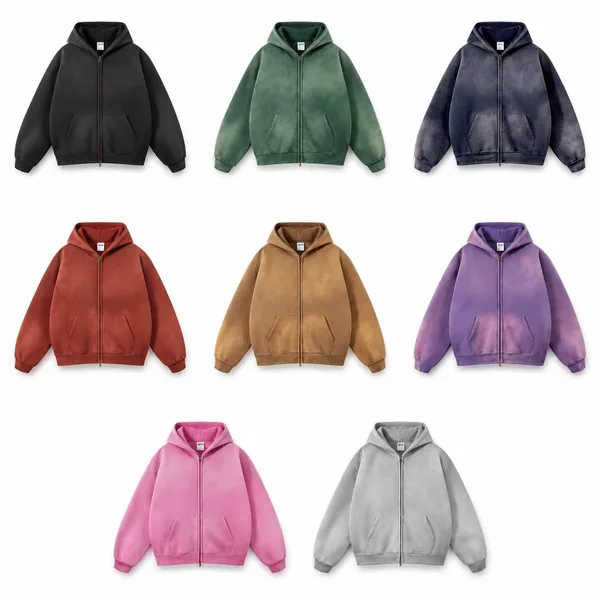
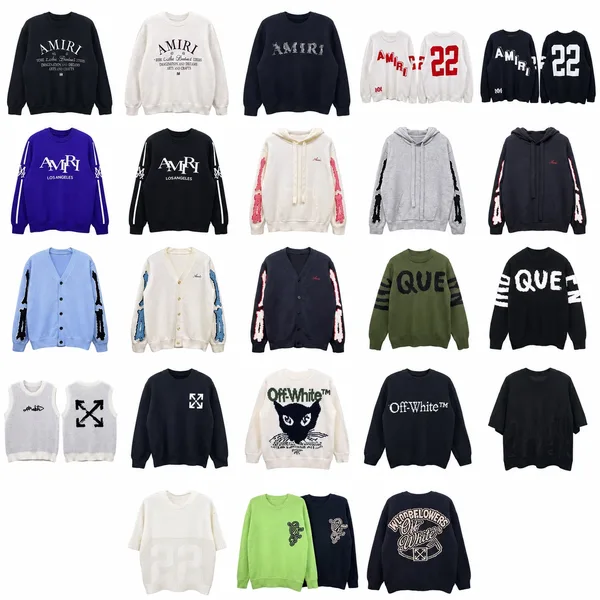
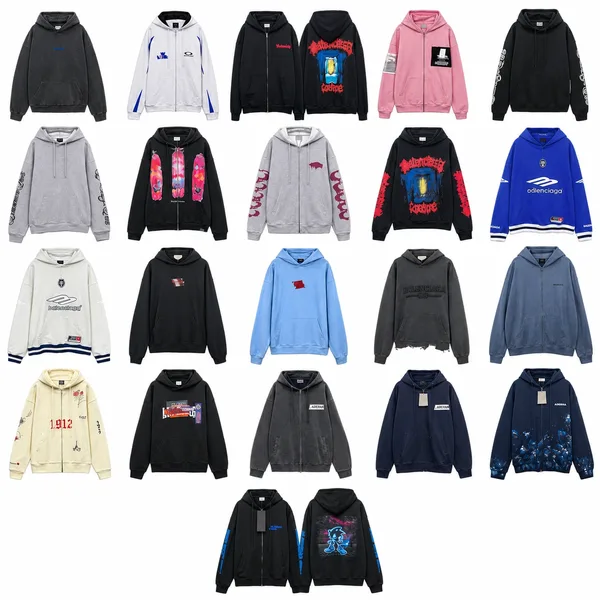
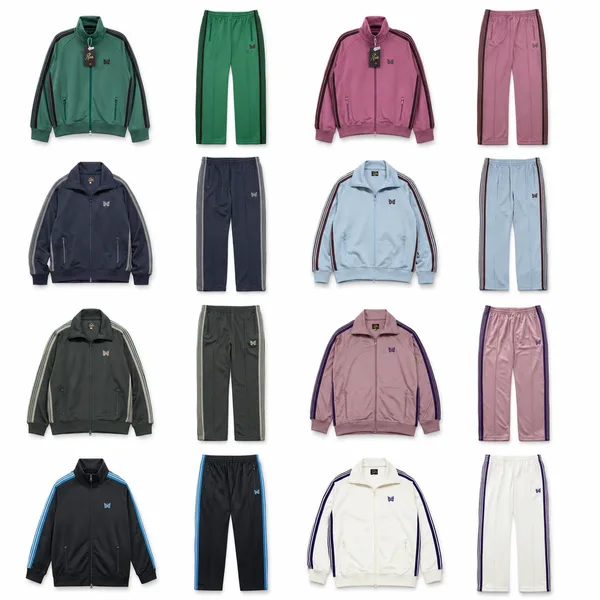
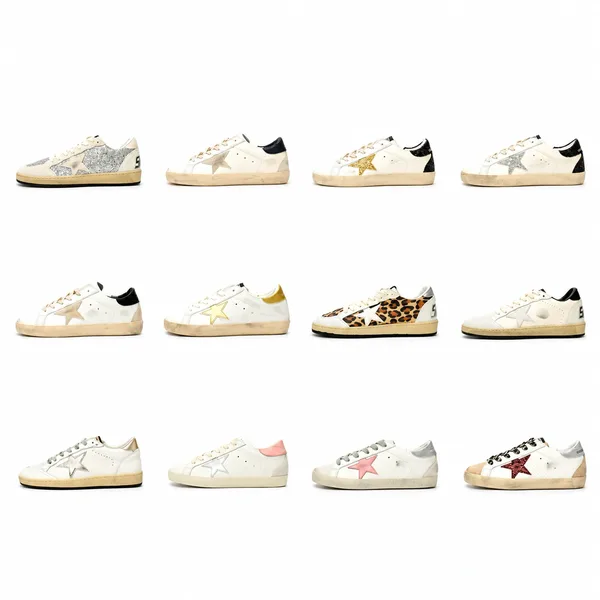
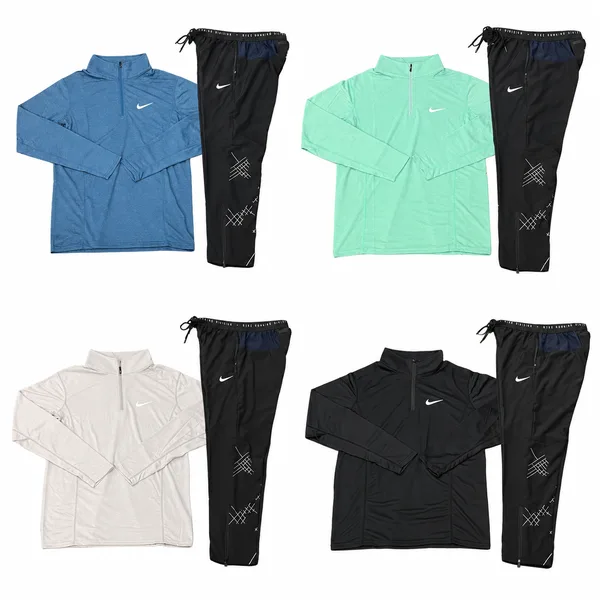
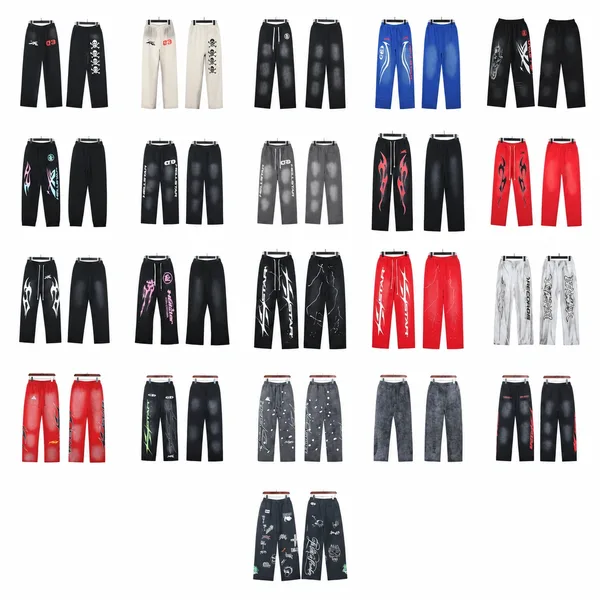
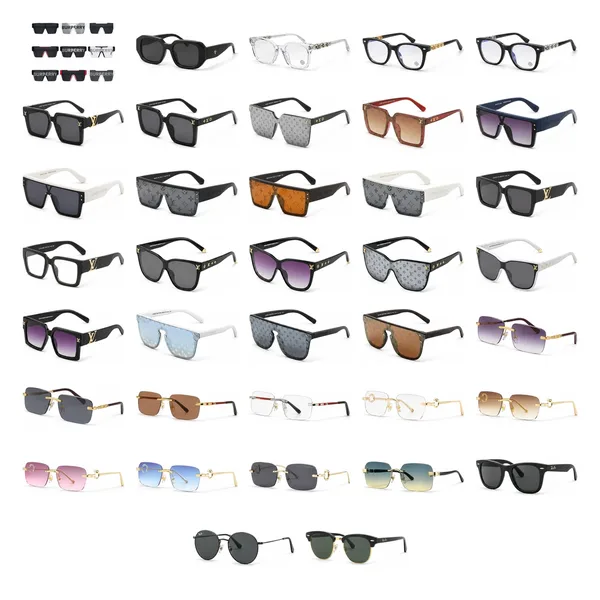
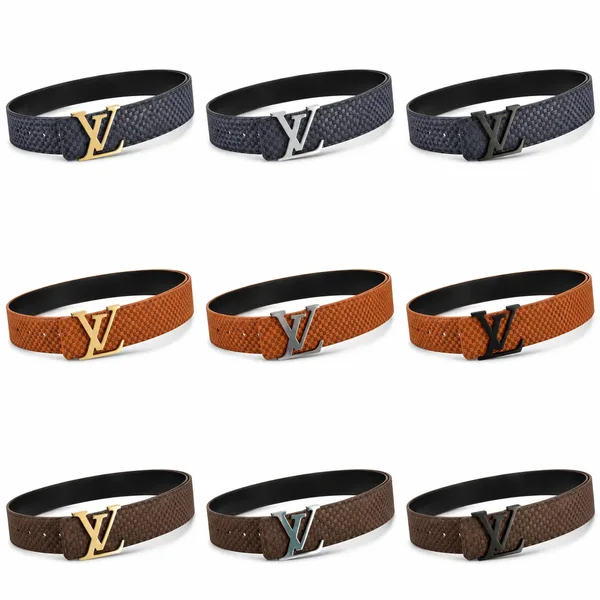
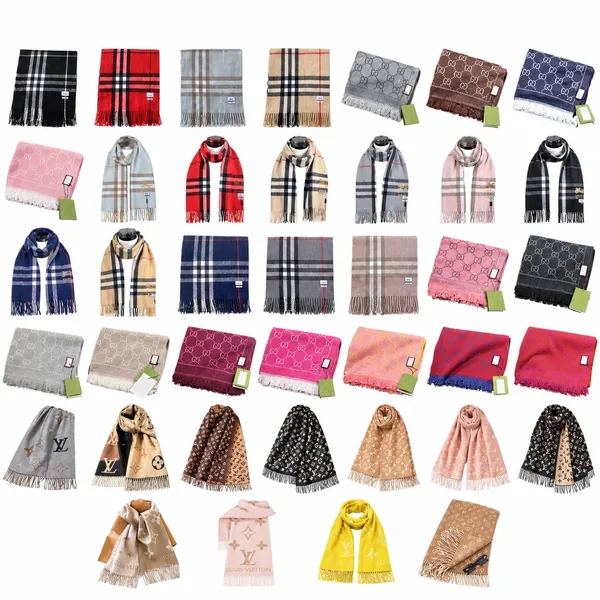
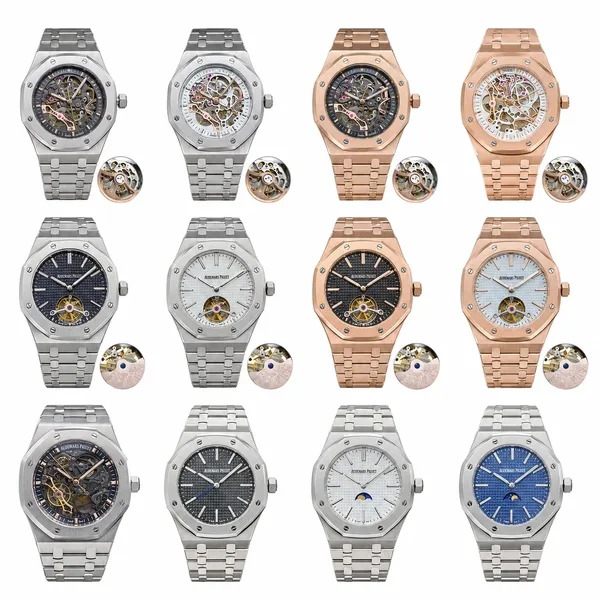
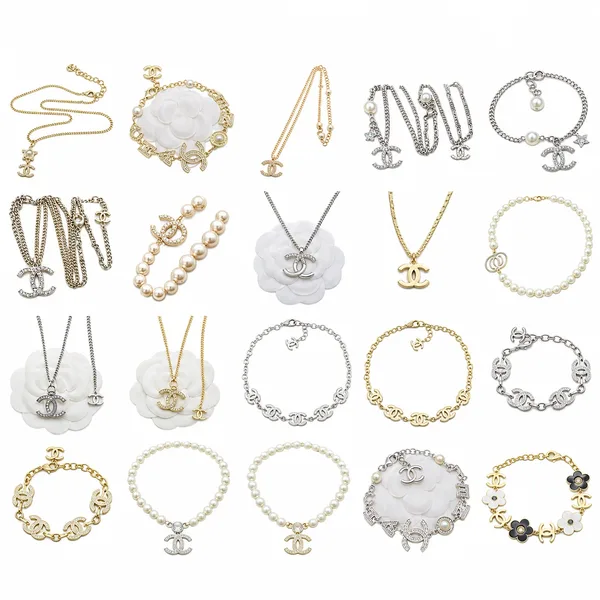
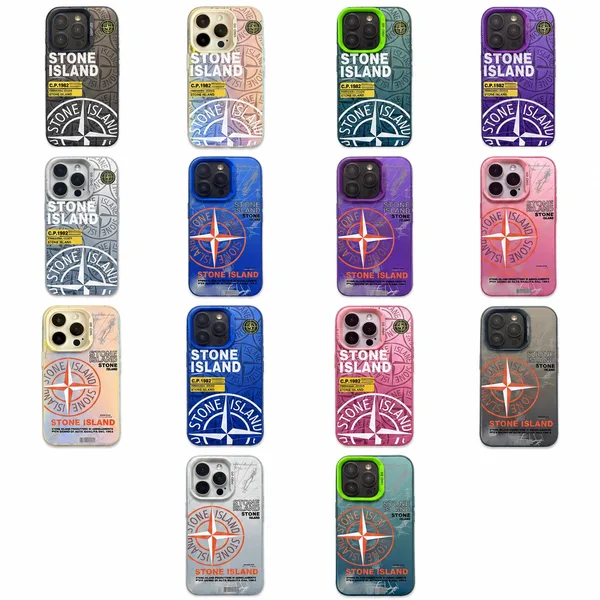
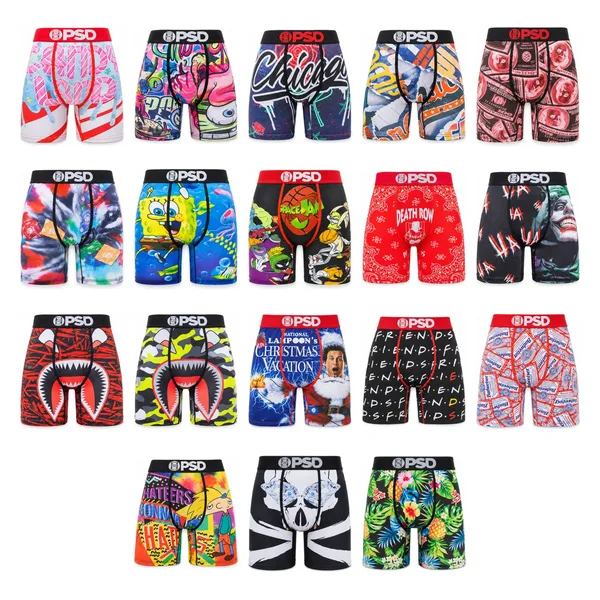
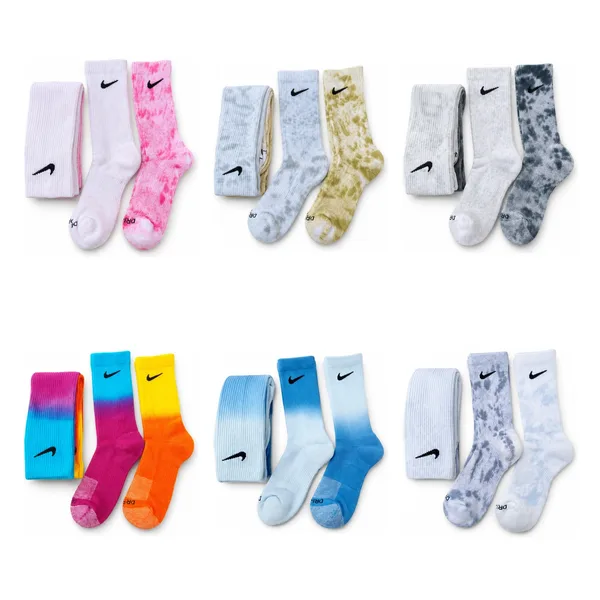
You can like a product without deciding to buy it. A HipoBuy spreadsheet is most useful when it preserves that distinction: interesting finds belong in the selection, while a purchase needs a specific option and a reason to choose it over the alternatives.
Start with what you want the next item to do. Perhaps you want a printed top, a different silhouette or something to wear with clothes you already own. Then use the product references to compare candidates against that need. A growing list is not necessarily a better decision.
Start with the detail you want to compare
Lire la sélection HipoBuy en français.
New to agent shopping? Read what HipoBuy is and how the records differ before treating a saved find as an order.
For a closer look at selecting front-and-back designs, use the HipoBuy jersey guide.
A white pocket T-shirt provides a simple starting point: compare its overall shape, pocket placement and neckline before deciding whether it suits your wardrobe. The saved product listing identifies this reference as a Carhartt WIP pocket T-shirt. The title identifies the candidate; the selected size still needs its own measurements.
Explore the white pocket T-shirt
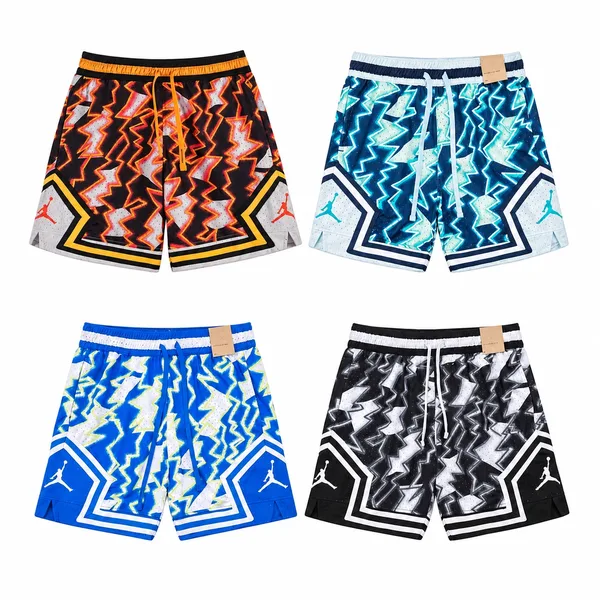
If you prefer a graphic top, decide whether the front, back or both views matter to your choice. A plain pocket design and a large printed design solve different styling needs. Do not select the latter merely because its thumbnail attracts more attention, or assume the simpler design has better construction.
Use the T-shirt selection guide to compare length and width against something you already wear. Treat the product reference as a place to investigate an option.
Give each candidate a decision, not just a bookmark
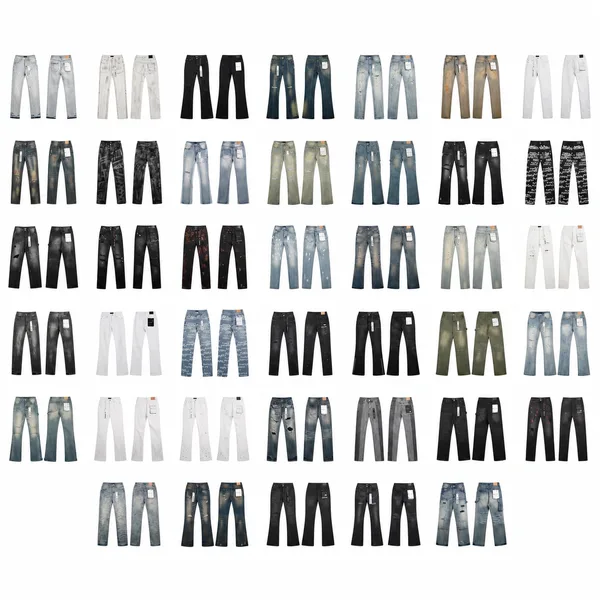
For a different category, the HipoBuy jeans guide separates leg shape from distressing and surface details before choosing an option.
Write one sentence explaining why the item remains in your selection. “I want to compare the back graphic” is more useful than “nice.” It identifies what to look at next and makes it easier to remove a candidate that no longer suits you.
Keep three practical groups: items still being compared, items you no longer want, and items you have actually decided to order. Moving a reference into the last group should reflect a decision, not the order in which you found it. Do not let discarded alternatives quietly become extra parcel contents.
For each remaining candidate, preserve its product address, selected option and the question that is still open. The HipoBuy spreadsheet links guide explains how to keep that identity when reopening a saved find.
Compare the same question across the alternatives
Choosing where to browse first? The best HipoBuy spreadsheet comparison guide explains how to judge a collection by a real shopping task rather than its headline size.
If you are choosing between two tops for their length, compare like-for-like measurements. If you are choosing for a visible design, compare the corresponding views. Do not award one item a better fit because it has more attractive promotional photography.
A blank detail is not an advantage or a defect. It is a reason to obtain that information before relying on it. You can remove an item because the available information is insufficient for your needs without claiming the item itself is poor quality.
When a price is part of the decision, keep the currency and selected option attached to it. A headline amount for an unspecified variant should not be treated as the price of your chosen size. Likewise, a goods price should not be compared with another total that already includes additional services.
Keep other shoppers' observations attached to their purchases
The HipoBuy spreadsheet review looks at the public feedback recorded in September 2026 and explains why a discovery experience, a delivered item and a resolved complaint need separate judgments.
A photograph of somebody else's garment may reveal a useful question, such as where a graphic sits or how a particular size was measured. It does not document your future order. Retain the product and option context instead of combining several people's pictures into an imaginary inspection of one item.
A short comment about comfort is also different from a measurement. You may share the reviewer's taste without sharing their fit preference. Use their account to sharpen your question rather than replacing your own choice with their verdict.
Recheck only what changed
An unexpected login, download or payment request is a separate decision. Read the HipoBuy spreadsheet safety checks before following a request that changes your original browsing task.
When returning to a shortlist, look at the information your decision depended on. Has the link changed? Is the selected option still the intended one? Has a new picture answered the open question? Update the relevant note, while retaining enough history to understand why your decision changed.
A year in a collection title does not date every entry. Put the date beside the observation itself. That way, reopening one product does not accidentally imply that all saved prices or photos were refreshed.
Prefer another language? Start with the German HipoBuy selection guide, the Spanish HipoBuy selection guide or the Portuguese HipoBuy selection guide.
Using HipoBuy sheets in 2026
A collection labelled “HipoBuy spreadsheet 2026” should still be judged one entry at a time. The year may describe the collection's edition; it does not tell you when a particular product, option or price was last checked. Treat a newly added link with an old photograph differently from a newly inspected garment.
Keep a compact row with the product address, option wording, observation date, comparison question and next action. For example, a graphic top can remain “compare back print” until the corresponding view answers that question. Do not change it to “QC passed” just because the product link opens. Product dimensions describe the garment; packed dimensions serve a different purpose in a shipping estimate.
If you maintain a downloaded or personal copy, remember that a change in the original collection need not appear in your copy. Reopen the specific product when making a decision, and record the result beside that entry. The useful update is the one that changes what you can decide, not a new year added to the title.
A simple structure for your own HipoBuy sheet
Use one row for each candidate and keep alternatives separate. The following fields help you resume a decision without copying an entire catalogue:
| Field | What to keep |
|---|---|
| Product reference | The exact address and a description that identifies the item |
| Intended option | Colour, size and any other selection you mean to compare |
| Fit or design question | The specific detail that would change your choice |
| Observation date | When that particular detail was checked |
| Amount and scope | Currency and what an observed amount covers, without treating it as a current quote |
| Next action | Compare an option, clarify a measurement, select the item or remove it from consideration |
Do not mix private order numbers or account links into a copy you share. A shopping shortlist and an order record serve different purposes. If you add a replacement, give it its own row rather than overwriting the original identity.
Refresh the entry before the decision
An effective 2026 update answers three questions: does the destination still identify the intended item, does the selected option match your note, and is the information you are relying on still applicable? Refresh only the observation you actually checked. Opening the title does not refresh a price, measurement or shipping estimate that you did not inspect.
Keep a brief change note when the result affects your choice, such as “different option now selected” or “replacement listed separately.” If nothing relevant was checked, do not advance the date merely to make the row look current. Use the link recovery guide when the original destination cannot be recovered.
For a multi-item purchase, the HipoBuy haul guide connects the shortlist to individual inspection questions and an honest arrival review.
If an existing item needs attention, use the return and refund guide before treating a new find as a replacement for the unresolved purchase.
Before committing money, read the payment methods and status guide to distinguish the advertised options from the charge and outcome of your own transaction.
Use the country guide before transferring a shipping experience or import assumption from one destination to another.
D'Auswiel op Lëtzebuergesch liesen.
Stop adding when the need is met
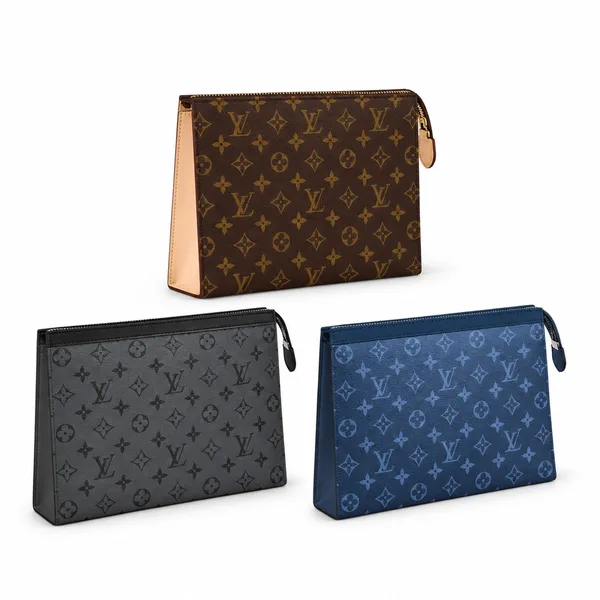
For practical accessories, the bag selection guide starts with what you need to carry before comparing decoration and shape.
For the next stage, follow the HipoBuy spreadsheet guide from one saved find through the purchase decision, inspection questions and delivery planning.
Once a candidate answers the need, compare the complete proposed purchase with the original plan. An extra item added for a promotion is still extra spending unless the final comparison shows otherwise. Keep the intended goods separate from later packing and transport decisions.
You do not need to finish a purchase during the same visit in which you discover it. Save the exact reference and the remaining question, then use the product-link checklist when you return. The purpose of the spreadsheet is to make the choice easier to resume, not harder to resist.